Arsenal Training Centre: History, Facilities, and Location
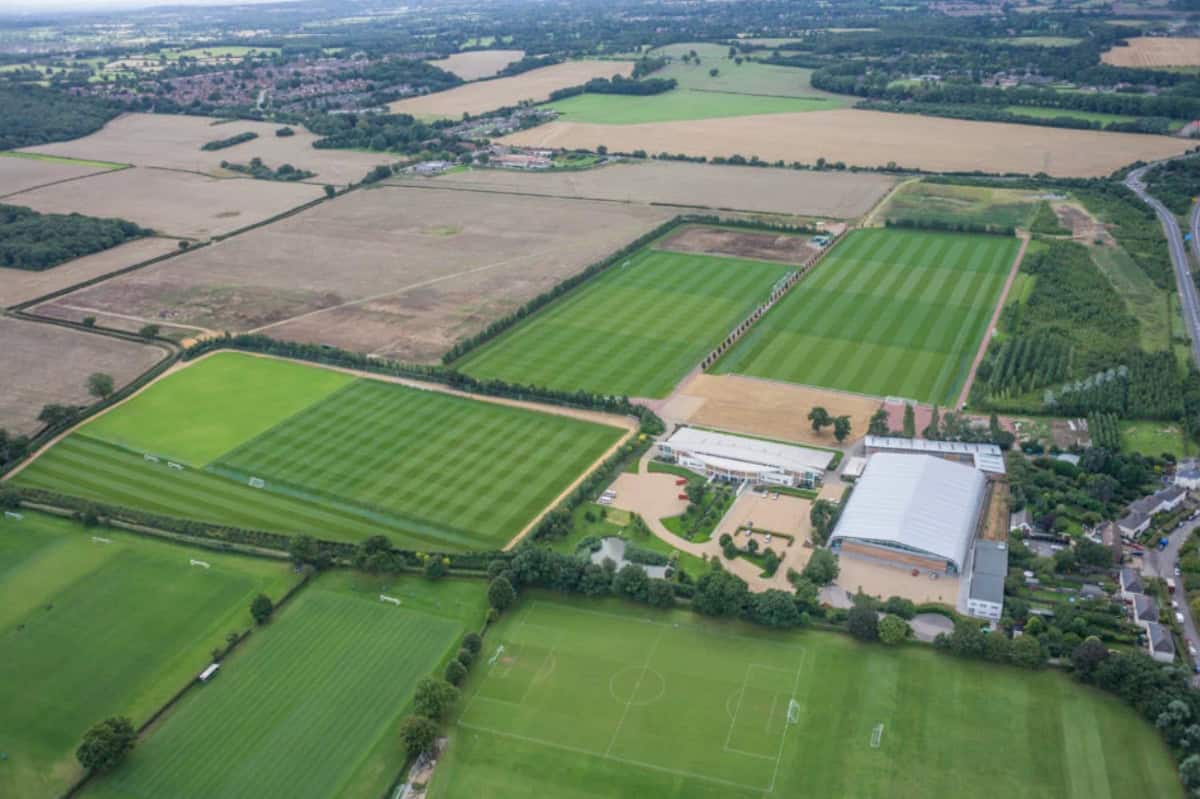
Explore the Arsenal Training Centre’s history, training facilities, and London Colney location, plus the impact of recent commercial growth.
Explore the Arsenal Training Centre’s history, training facilities, and London Colney location, plus the impact of recent commercial growth.
Arsenal’s well-known story; the factory workers, the Invincibles, the Highbury farewell… gets told often enough that the less visible parts of the club’s history get crowded out. Behind the headline facts sits a collection of details that are genuinely surprising, occasionally strange, and consistently revealing about how this particular club developed over 140 years. These … Read more
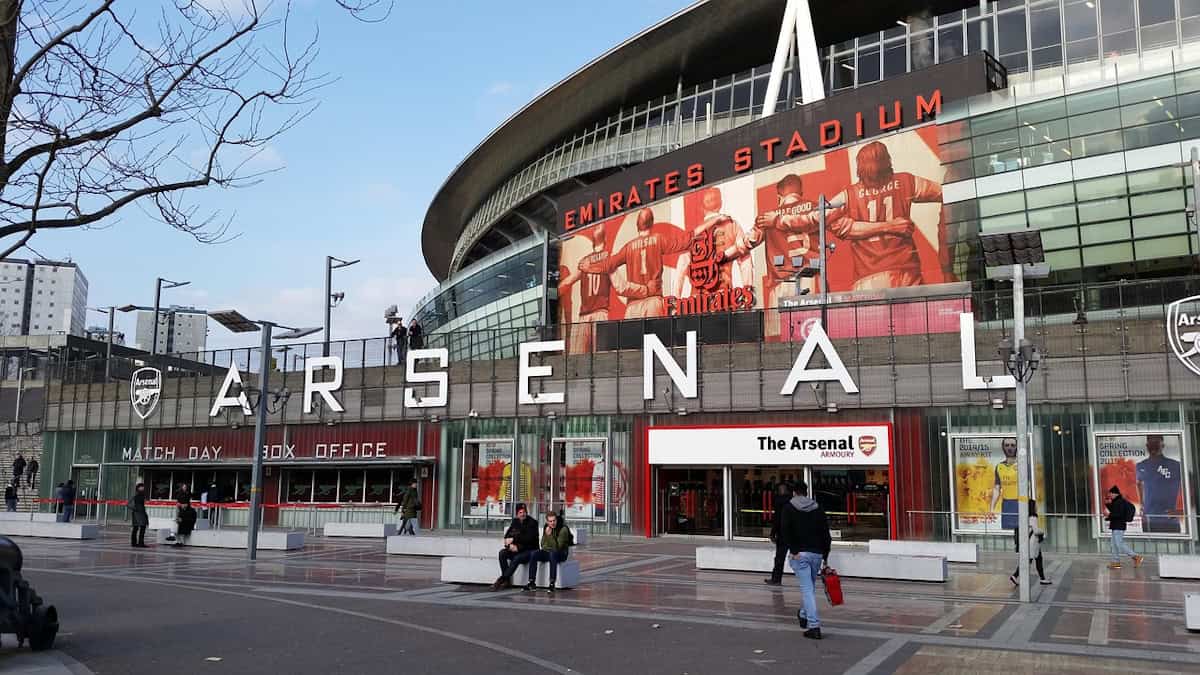
Arsenal have played at two genuinely significant grounds. One that shaped the club’s identity for nearly a century, and one that was built specifically to replace it. The gap between them isn’t just architectural. It’s the distance between a ground that grew with a club and a stadium that was designed to outgrow it. Most … Read more
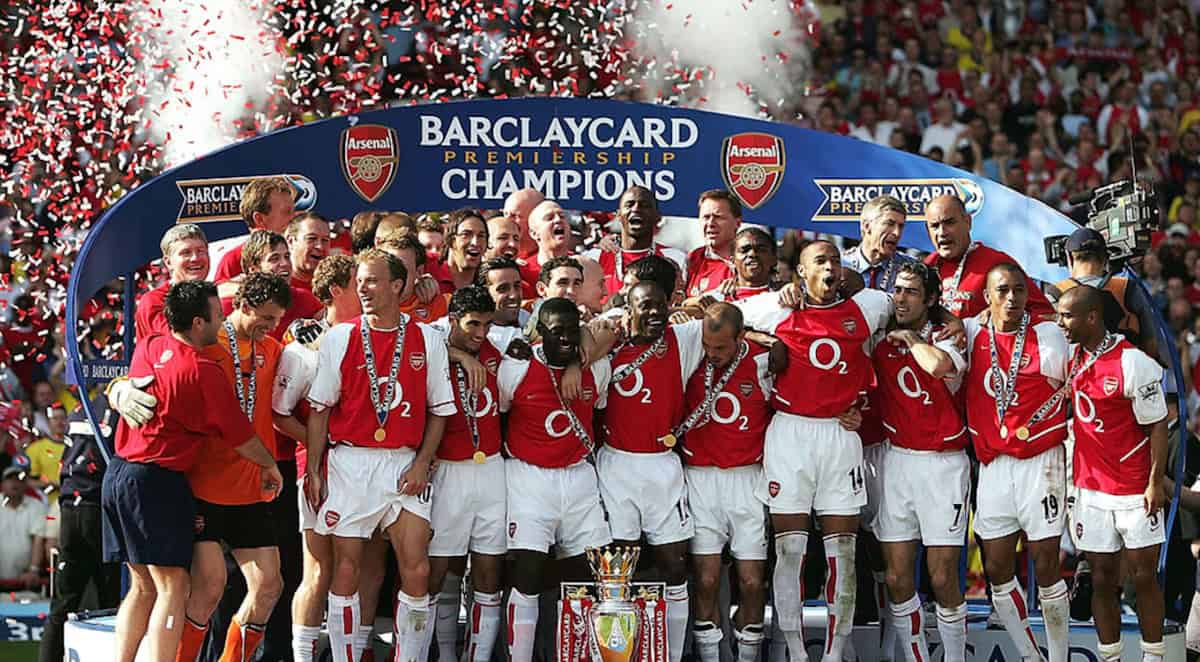
Arsenal’s trophy cabinet is substantial enough to prove the club’s status and lopsided enough to tell a more complicated story than the raw numbers suggest. Fourteen league titles. Fourteen FA Cups. One European trophy. Two League Cups. And as of May 19, 2026, a 22-year wait for the Premier League finally over. A record that … Read more
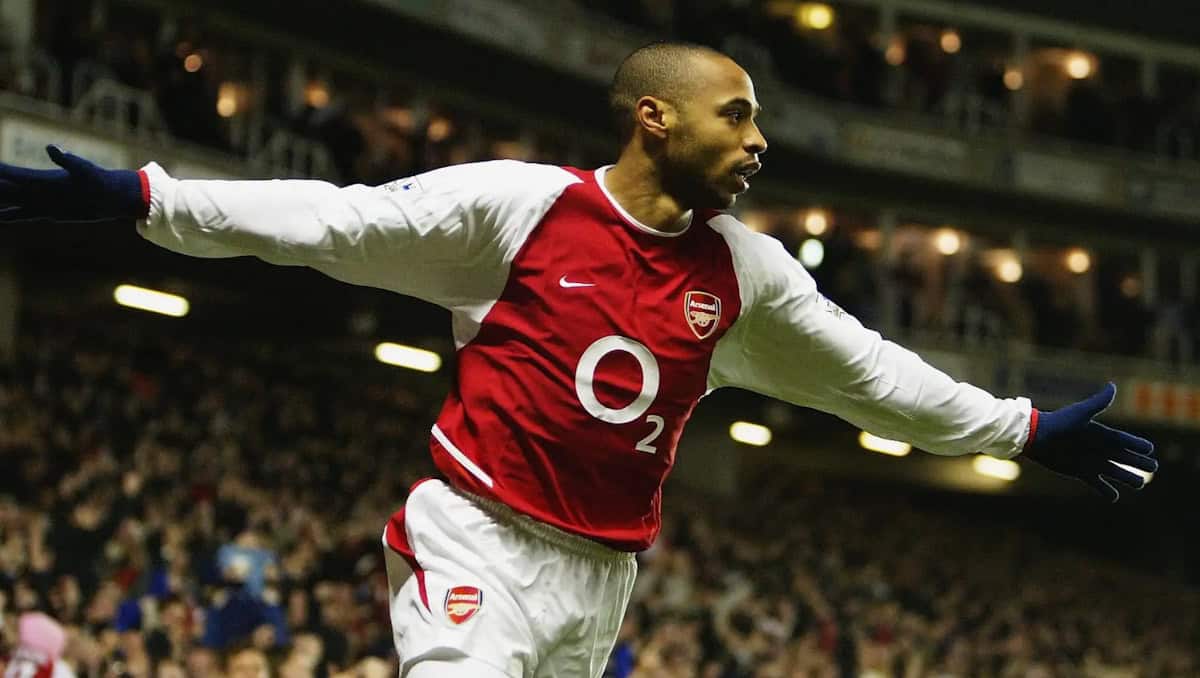
Arsenal’s history has been shaped by a handful of players so specific to their era that the club’s identity is inseparable from them. You can’t talk about the Invincibles without Thierry Henry. You can’t talk about the 1990s without Tony Adams. You can’t talk about what Arsenal football looked like at its most beautiful without … Read more
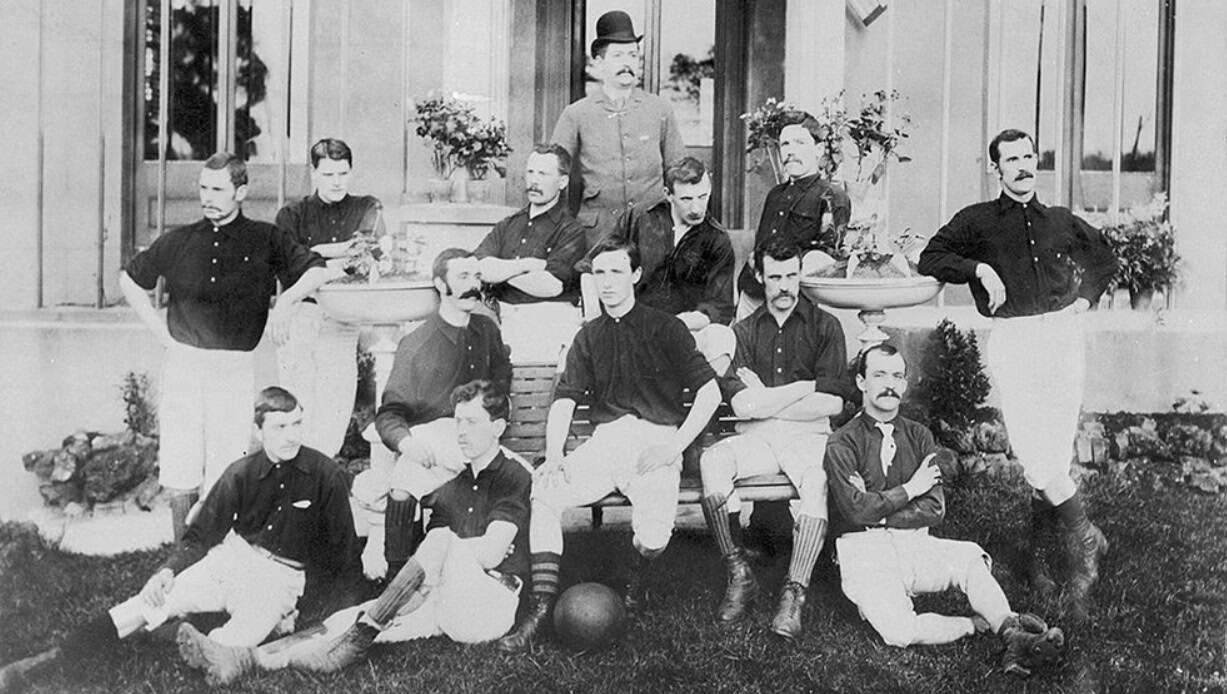
Arsenal were founded in 1886 by fifteen workers who had never run a football club before and had no particular reason to think they could. The date gets cited in anniversary posts and club histories. What it rarely explains is the fragility behind it. The team that started in south-east London, nearly collapsed from financial isolation, … Read more
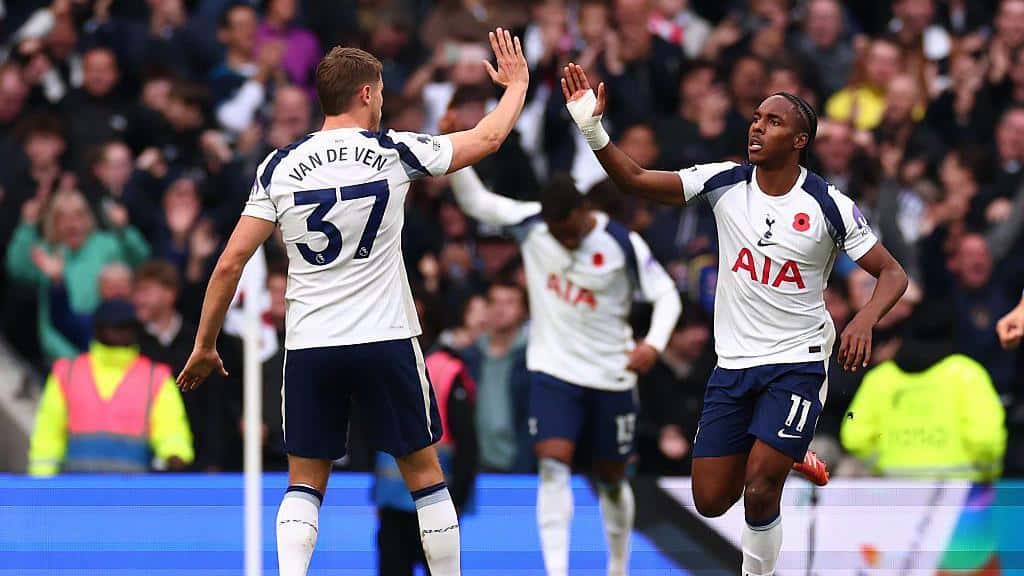
Every club has opponents. Arsenal has a hierarchy. At the top sits a north London fixture so loaded with local meaning that supporters plan their season around it before a ball is kicked. Below that, rivalries shaped by era, geography, and the specific pain of watching a title slip away to the same opponent three … Read more
Arsenal’s nickname comes from a munitions factory, and it has survived everything the club has thrown at it since. Three name changes, two ground moves, a century of rebranding pressure, and the full weight of modern football commercialization. The Gunners is still there. So is the cannon. That kind of continuity doesn’t happen by accident. … Read more
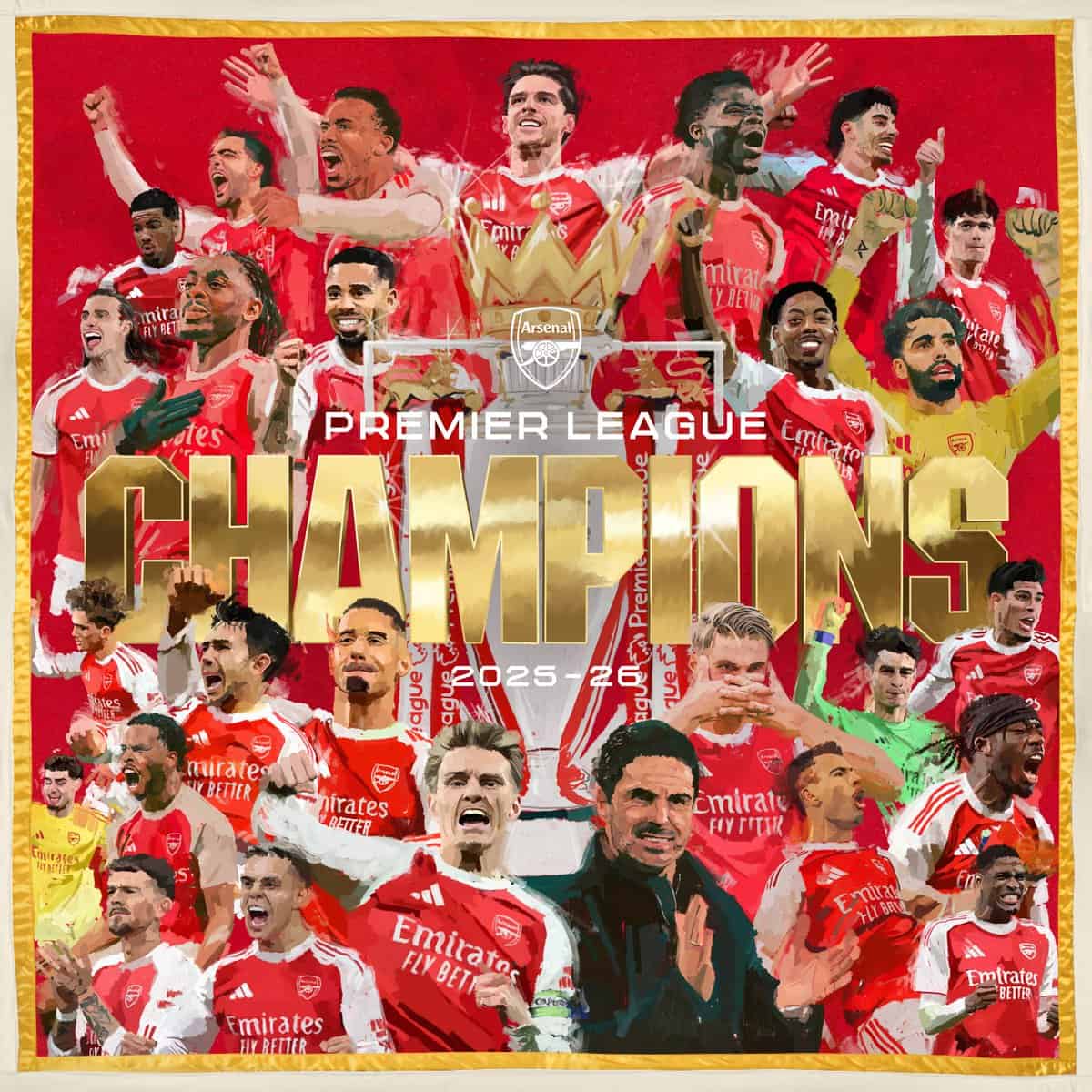
It ended at the Vitality Stadium in Bournemouth, without Arsenal kicking a ball. Manchester City drew 1–1 on Tuesday May 19. Erling Haaland equalizing in stoppage time, too late to matter and Arsenal were confirmed Premier League champions for the first time in 22 years. Outside the Emirates, supporters who had gathered to watch the City … Read more
Facts about Arsenal start with a munitions factory and a whip-round. In 1886, fifteen workers at Woolwich’s Royal Arsenal each put in sixpence, and David Danskin added three shillings of his own to get things moving. That team won its first match 6–0. It later grew into a business posting €821.7 million in annual revenue. The distance between those two … Read more